







In the ever-evolving landscape of dental technology, the choice between high-speed and low-speed handpieces is a critical decision that can significantly impact the efficiency, precision, and overall success of dental procedures. These indispensable tools are the cornerstone of modern dentistry, enabling dental professionals to perform a wide range of treatments with unparalleled accuracy and control.
Understanding the nuances and applications of high-speed and low-speed dental handpieces is paramount for practitioners seeking to deliver optimal patient care. This comprehensive guide delves into the intricacies of these essential instruments, shedding light on their distinct characteristics, advantages, and suitability for various dental procedures.
High-Speed Dental Handpieces
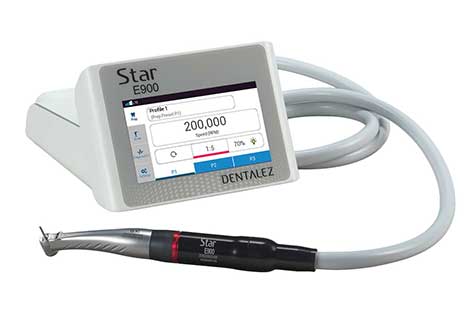
High-speed handpieces are characterized by their ability to operate at remarkably high revolutions per minute (RPM), typically ranging from 200,000 to 400,000 RPM. These powerful instruments are designed to facilitate intricate and precise dental procedures, such as tooth preparation for restorations, cavity removal, and finishing and polishing of dental materials.
The high-speed rotation of these handpieces allows for efficient cutting and removal of tooth structure, enabling dentists to work with exceptional accuracy and speed. This attribute is particularly advantageous in restorative dentistry, where precise tooth preparation is essential for achieving optimal fit and longevity of dental restorations.

Common applications of high-speed handpieces in dental practices include:
- Tooth preparation for crowns, veneers, and inlays/onlays
- Cavity preparation and removal of decayed tooth structure
- Finishing and polishing of composite restorations
- Adjustments and contouring of dental restorations
When selecting high-speed handpieces, dental professionals should consider factors such as ergonomic design, noise levels, vibration control, and compatibility with various bur types and sizes. Additionally, proper maintenance and regular replacement of components like turbines is crucial for optimal performance and longevity.
Low-Speed Dental Handpieces
In contrast to their high-speed counterparts, low-speed dental handpieces operate at significantly lower RPM ranges, typically between 5,000 and 40,000 RPM. These handpieces are designed for procedures that require greater control, precision, and delicate touch, such as endodontic treatments, prophylactic procedures, and certain restorative applications.
The lower speed of these handpieces allows for more controlled and gentle removal of tooth structure, minimizing the risk of iatrogenic damage or patient discomfort. Additionally, low-speed handpieces generate less vibration, contributing to a more comfortable experience for both the patient and the dental professional.

Common applications of low-speed handpieces in dental practices include:
- Root canal treatments and endodontic procedures
- Prophylactic procedures, such as scaling and polishing
- Removal of excess cement or bonding materials
- Adjustments and contouring of dental restorations in sensitive areas
When selecting low-speed handpieces, dental professionals should consider factors such as torque control, ergonomic design, and compatibility with various attachments and accessories.
Comparison between High-Speed and Low-Speed Handpieces
While both high-speed and low-speed handpieces play crucial roles in dental practices, they differ significantly in terms of speed, precision, control, noise levels, and vibrations.
Here's a comprehensive comparison of these key aspects:
- Speed and RPM: High-speed handpieces operate at significantly higher RPM ranges, typically between 200,000 and 400,000 RPM, while low-speed handpieces operate between 5,000 and 40,000 RPM. This vast difference in speed directly impacts the efficiency and precision of dental procedures.
- Precision and control: High-speed handpieces offer exceptional precision and efficiency for procedures that require rapid removal of tooth structure, while low-speed handpieces provide greater control and delicacy for more sensitive procedures, such as endodontic treatments and prophylactic procedures.
- Noise levels and vibrations: High-speed handpieces generally produce higher noise levels and vibrations due to their high rotational speeds, which can contribute to operator and patient discomfort. Low-speed handpieces, on the other hand, generate less noise and vibration, resulting in a more comfortable experience for both parties.
- Suitability for different dental procedures: High-speed handpieces are well-suited for restorative procedures, cavity preparation, and finishing and polishing, while low-speed handpieces are ideal for endodontic treatments, prophylactic procedures, and delicate restorative adjustments. The choice of handpiece should be based on the specific requirements of the procedure being performed.
- Ergonomics and handling: Both high-speed and low-speed handpieces are designed with ergonomic considerations in mind, but the handling and control requirements differ. High-speed handpieces require a lighter touch and precise control, while low-speed handpieces allow for a more relaxed grip and gentle movements, reducing the risk of operator fatigue and strain.
Factors to Consider When Choosing Between High-Speed and Low-Speed Handpieces
When selecting the appropriate handpiece for your dental practice, several factors should be taken into consideration:
- Type of dental procedures performed: Evaluate the range of procedures you perform and determine the specific requirements for high-speed or low-speed handpieces. This will ensure that you have the right tools for the job, enhancing efficiency and patient outcomes.
- Operator comfort and preference: Consider the ergonomic design, weight, and balance of the handpieces, as well as the operator's personal preferences and comfort levels. A comfortable and well-balanced handpiece can reduce fatigue and improve overall performance.
- Patient comfort and experience: Prioritize patient comfort by selecting handpieces that minimize noise, vibration, and discomfort during procedures. This can help alleviate anxiety and promote a positive patient experience.
- Durability and maintenance requirements: Assess the durability and maintenance needs of different handpiece models to ensure long-term performance and cost-effectiveness. Regular maintenance and timely replacement of worn components can extend the lifespan of your handpieces and prevent costly repairs or replacements.
- Budget considerations and cost-effectiveness: Evaluate the initial investment and ongoing maintenance costs associated with various handpiece options to make an informed decision that aligns with your practice's budget. While high-quality handpieces may require a higher upfront cost, they can provide long-term value and cost savings through improved efficiency and reduced maintenance needs.
Conclusion
In the dynamic field of dentistry, the choice between high-speed and low-speed handpieces is a critical decision that can significantly impact the efficiency, precision, and overall success of dental procedures. While high-speed handpieces excel in procedures that require rapid and efficient removal of tooth structure, low-speed handpieces offer greater control and delicacy for more sensitive treatments.
Dental professionals must carefully evaluate their practice's specific needs, operator preferences, patient comfort, and budgetary considerations to select the most appropriate handpiece for each procedure. By staying informed about the latest advancements in handpiece technology and maintenance practices, dentists can ensure they are providing their patients with the highest level of care and treatment outcomes.
Ultimately, the decision between high-speed and low-speed handpieces should be guided by a deep understanding of their respective strengths and limitations, as well as a commitment to delivering exceptional dental care tailored to each patient's unique needs.