







Dental practices rely on a complex network of equipment to treat patients and generate revenue. Compressors, vacuums, chairs, and handpieces power nearly every dental procedure.
In many offices, equipment only gets attention when something goes wrong.
This reactive approach to maintenance can quietly undermine practice profitability. Dental equipment often works reliably for years. However, when a compressor or vacuum fails unexpectedly, the entire practice can come to a halt. Because most dental offices operate on tightly scheduled calendars, that lost production is rarely recovered.
Industry data illustrates how costly downtime can be. Reporting summarized by Becker’s Dental Review estimates that the average dental practice generates nearly $10,000 in daily gross production, while the top 10 percent of practices take in nearly $18,000 per day. When equipment failure forces a practice to cancel appointments, that revenue opportunity is gone, much like an airline seat that stays empty once the plane takes off.
Patients must be rescheduled, often weeks or months later. In the meantime, those patients may have already taken time off work, arranged childcare, or adjusted their schedules to make the appointment. Cancellations therefore create frustration for patients as well as lost revenue for the practice.
Recent data from the American Dental Association’s Health Policy Institute reinforces how stretched many practices already are. In Q4 2025, 18% of dentists reported treating all patients but feeling overworked, while another 12% said they were too busy to treat all patients requesting care. At the same time, reimbursement rates are not keeping pace with inflation, putting additional pressure on practice margins. In this economic environment, even small disruptions can have a heavy impact on practice revenue.
This is where smart dental equipment is beginning to change the equation. Smart dental technology shifts equipment management from a reactive system to a proactive one. Instead of discovering problems after they disrupt the schedule, practices can identify potential issues earlier and often resolve them before patients are affected.
Connected systems that reduce unexpected downtime are helping practices protect productivity in ways that were not possible with traditional equipment. Additionally, new methods of bundling equipment, repairs, and maintenance offer an alternative to the purchasing and upkeep concerns that can threaten practice profitability.
Dental Utility Room Profitability

The utility room may not be visible to patients, but it is one of the most important areas in a dental practice. Compressors and vacuum systems power nearly everything in the operatory. If either central source system fails, the office cannot function.
Without proactive monitoring, equipment failures can quickly turn into costly disruptions.
A common scenario begins when a compressor or vacuum suddenly stops working. The practice contacts a distributor or repair technician, but depending on scheduling and travel time, help may not arrive until later that day or even the following day.
Even when a technician arrives quickly, service trucks typically carry a limited supply of replacement parts. If the exact component needed is not available, the part must be ordered. That can add 24-48 hours before the repair can be completed.
In some cases, especially with older systems, replacement parts may no longer be manufactured. At that point, the practice may need to purchase entirely new equipment before reopening.
What starts as a single equipment failure can easily shut down production for multiple days.
Smart monitoring technology helps reduce this risk.
Aeras Intel monitoring brings connected intelligence to core dental equipment such as compressors and vacuums. The system enables active diagnostics and troubleshooting for service partners maintaining your equipment, continuously monitoring performance and flagging potential issues early. If something unusual appears, technicians can often diagnose the problem remotely or arrive with the correct replacement part. Additionally, the platform sends maintenance reminders to users, prompting offices to stay up to date with routine maintenance and avoid future problems.
Practices that want to understand how equipment downtime affects revenue can estimate the impact using the Downtime Calculator from DENTALEZ. By entering production numbers and operatory data, practices can see how quickly equipment interruptions translate into lost revenue.
How Dental Chairs Impact Operability Efficiency

Avoiding downtime is only part of the profitability equation. The way the operatory itself functions also has a direct impact on efficiency and revenue.
Modern dental chairs are designed not only for patient comfort but also to support smoother clinical workflows.
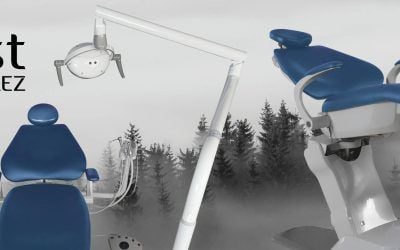
The Forest 6400 dental chair, for example, is designed to give clinicians access to everything they would need for a given procedure. Patients benefit from thoughtful features like massage settings. Clinicians benefit from ergonomic features that improve positioning and access to the oral cavity during procedures.
The CareGlide mobility system adds another layer of flexibility by allowing the chair to move smoothly within the operatory. This can make it easier for patients to enter and exit the chair. It also helps reduce the time needed to reposition patients between procedures.
The sensors built into the Forest 6400 Chair provide data to maintain reliable patient positioning, improve procedure flow, and reduce maintenance issues. With Aeras Intel technology, clinicians can monitor chair performance more proactively. Together, these features support smoother workflows, reduce clinician fatigue, and minimize practice disruptions.
Attracting and Retaining the Best Staff
Equipment upgrades can also influence an important but often overlooked factor in practice profitability: staff recruitment and retention.
Dentists and hygienists increasingly expect to work in practices with modern equipment and well-designed operatories. Offices that rely on outdated systems may find it harder to attract clinicians when competing with practices that invest in newer technology.
Streamlining Equipment Costs With Smart Technology and TotalOp

Unlike any other in the industry, the TotalOp program from DENTALEZ, UptimeHealth and Darby Dental Supply offers practices a new way to modernize equipment while maintaining predictable costs. This model is made possible by DENTALEZ’s integrated smart Aeras technology, which is built directly into its equipment portfolio and allows system-wide connectivity that other manufacturers do not offer. By connecting compressors, vacuums, and operatory equipment through a single platform, Aeras supports more coordinated performance tracking, maintenance, and service response. Instead of requiring large upfront purchases, TotalOp bundles equipment, service, and maintenance into a single monthly investment. This allows practices to upgrade operatories with ongoing support for the equipment.
How Dental Handpieces Impact Practice Efficiency and Costs
Smaller equipment decisions can also influence overall practice profitability. Dental handpieces are a good example. Several factors can cause handpieces to be a drain on a practice’s revenue, including costly turbine replacements, lost handpieces, and the need for time-consuming lubrication.
High performance handpieces, like DENATLEZ’s Star Line, come with features that allow dental practices to maximize their ROI.
In-house Turbine Replacement
Many practices send handpieces out for repair when turbines wear out. Shipping equipment out for service creates delays and often requires practices to keep additional units on hand. Star dental handpieces allow turbines to be replaced in the office. Instead of waiting for costly service, clinicians can replace the turbine and return the handpiece to service almost immediately. This reduces repair delays and lowers inventory requirements.
Handpiece Tracking With RFID Tags
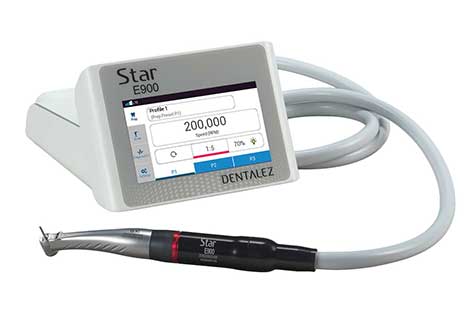
RFID-based tracking systems allow practices to monitor the location and usage of equipment throughout the office, helping prevent loss and improve inventory management. When used with a compatible reading system, handpieces with embedded RFID tags can be quickly located, reducing unnecessary replacement costs. The Star E900 series has RFID technology built into the motor and tubing, extending tracking capabilities beyond the handpiece itself.
Low Maintenance LubeFree Technology
LubeFree technology reduces the maintenance steps required during sterilization cycles, saving time over the course of a year. These handpieces also eliminate the need to purchase lubrication products and reduce staff time between patients, helping practices streamline workflows and lower ongoing maintenance costs.
When evaluating equipment investments, practices should consider the broader operational impact, not just the purchase price. Equipment that reduces downtime, simplifies maintenance, and improves workflow efficiency often delivers significant long-term value.
The "Profitability Blueprint"
Improving dental practice profitability rarely comes down to a single piece of equipment. It depends on how well the systems in a practice work together, from reliable utility equipment to efficient operatories and tools that stay in service.
In most practices, profitability is closely tied to four operational factors:
- Equipment uptime
- Operatory efficiency
- Maintenance speed
- Equipment longevity
When these elements work together, practices are better positioned to maintain consistent patient flow and protect their production schedules.
Connected dental equipment helps support this approach by enabling earlier detection of problems and more coordinated service. Aeras Intel, available in a variety of DENTALEZ products, is the only system of its kind. The result is fewer disruptions, smoother workflows, and more predictable productivity.
Whether you’re a single practice looking to modernize or a growing DSO focused on maximizing performance, DENTALEZ is a partner in driving smarter growth and stronger ROI. To learn more, schedule a call with DENTALEZ today.
The Dental Profitability Blueprint
| Equipment Area | Questions to Ask | Profitability Impact | DENTALEZ Example |
| Utility Room | Can the system alert service providers before failure? | Prevents downtime and canceled appointments | Aeras Intel monitoring |
| Dental Chairs and Operatories | Does the chair improve clinician ergonomics? | Reduces clinician fatigue. Improves employee retention | Ergonomic chair design |
| Does the chair reduce positioning time? | Improves clinical efficiency | CareGlide, ergonomic design | |
| Handpieces | Can turbines be replaced in-office? | Reduces repair delays and inventory needs | Star handpieces with Star replacement turbines |
| Does handpiece require lubrication? | Skipping lubrication saves time during sterilization | LubeFree handpieces | |
| Is handpiece trackable? | Prevents loss | RFID technology | |
| Overall practice equipment | Can access to new equipment and maintenance be combined into one monthly payment? | Improves technology, saves purchase outlay, Reduces costly maintenance | TotalOp plan |